YOUR EVERYDAY RITUAL
Botanical care for skin & hair.
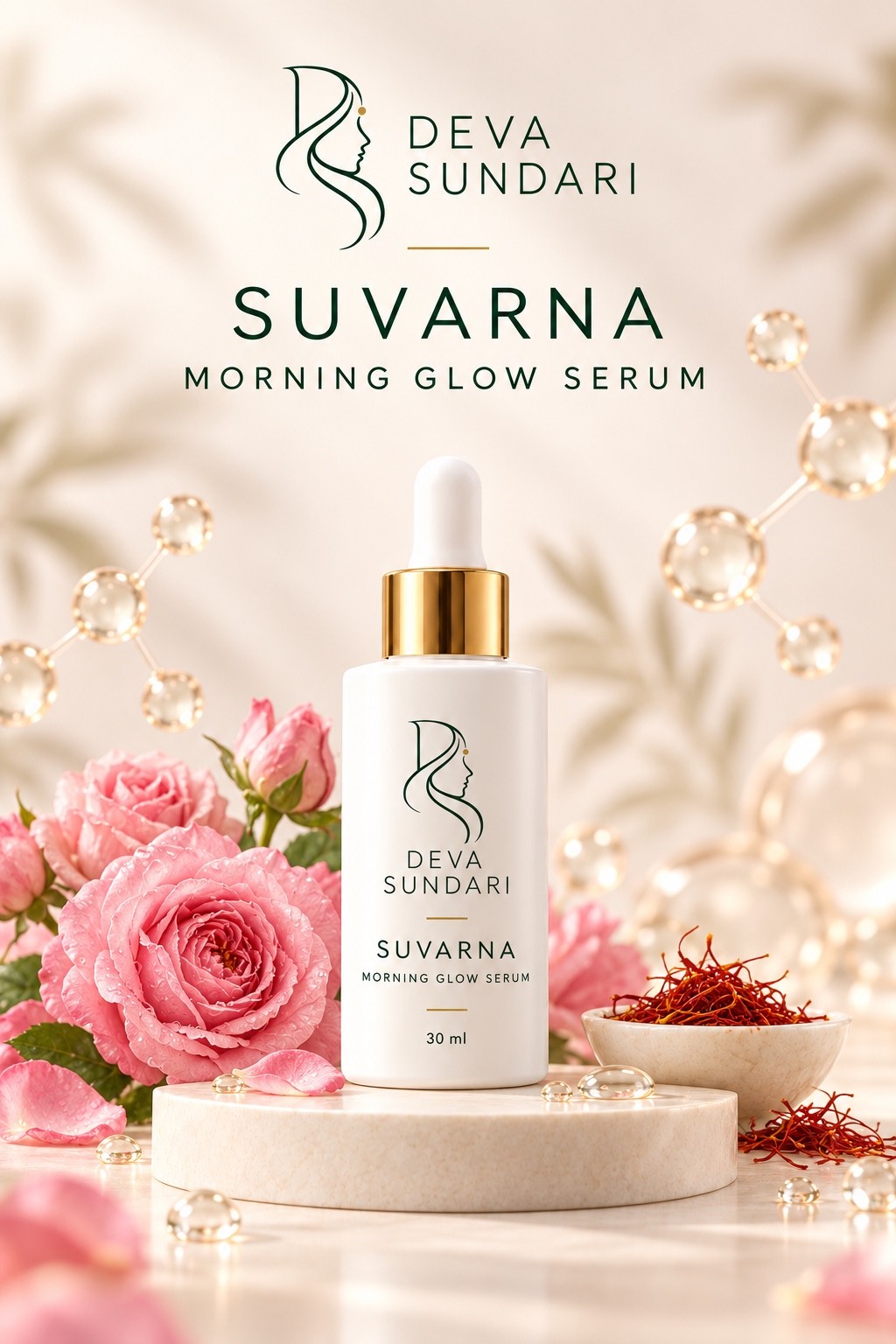
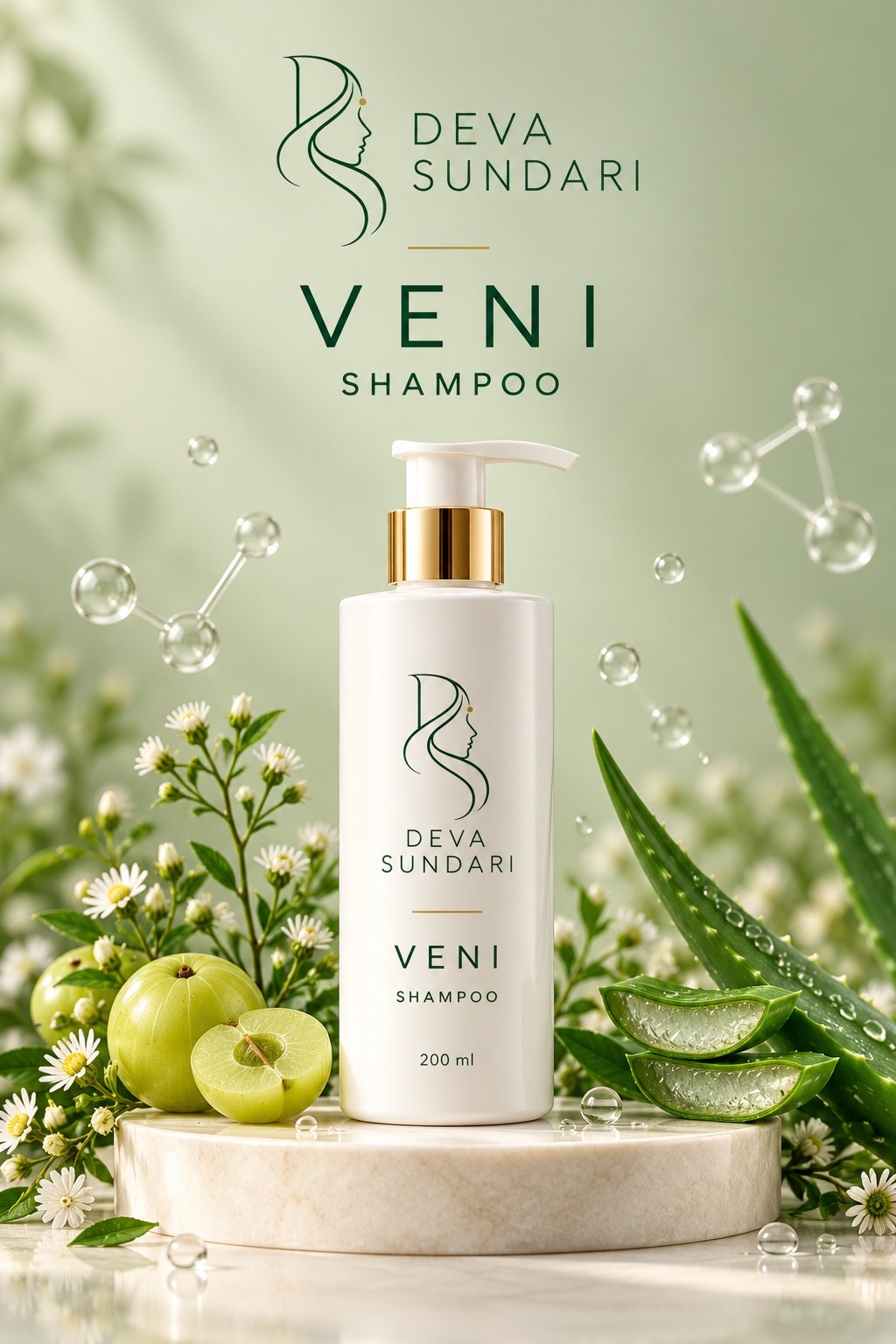

THE SOUL OF INDIAN AYURVEDA.
A new era of beauty & wellness. Deva Sundari brings India’s Ayurvedic heritage into modern skin, hair and wellness rituals through thoughtful formulation science.
Shop Deva SundariDiscover our scienceSKIN · HAIR · WELLNESS
YOUR EVERYDAY RITUAL
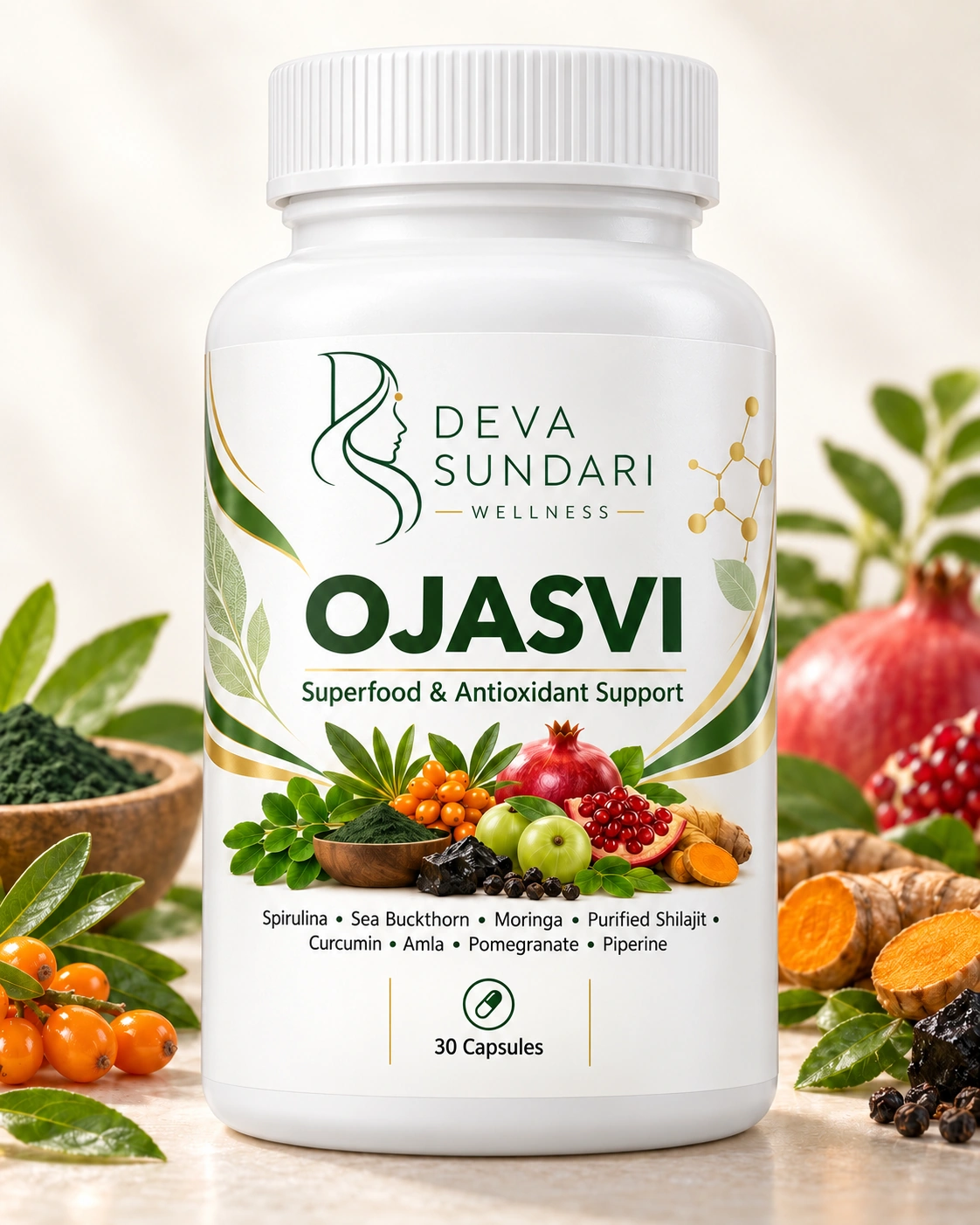
WELLNESS COLLECTION
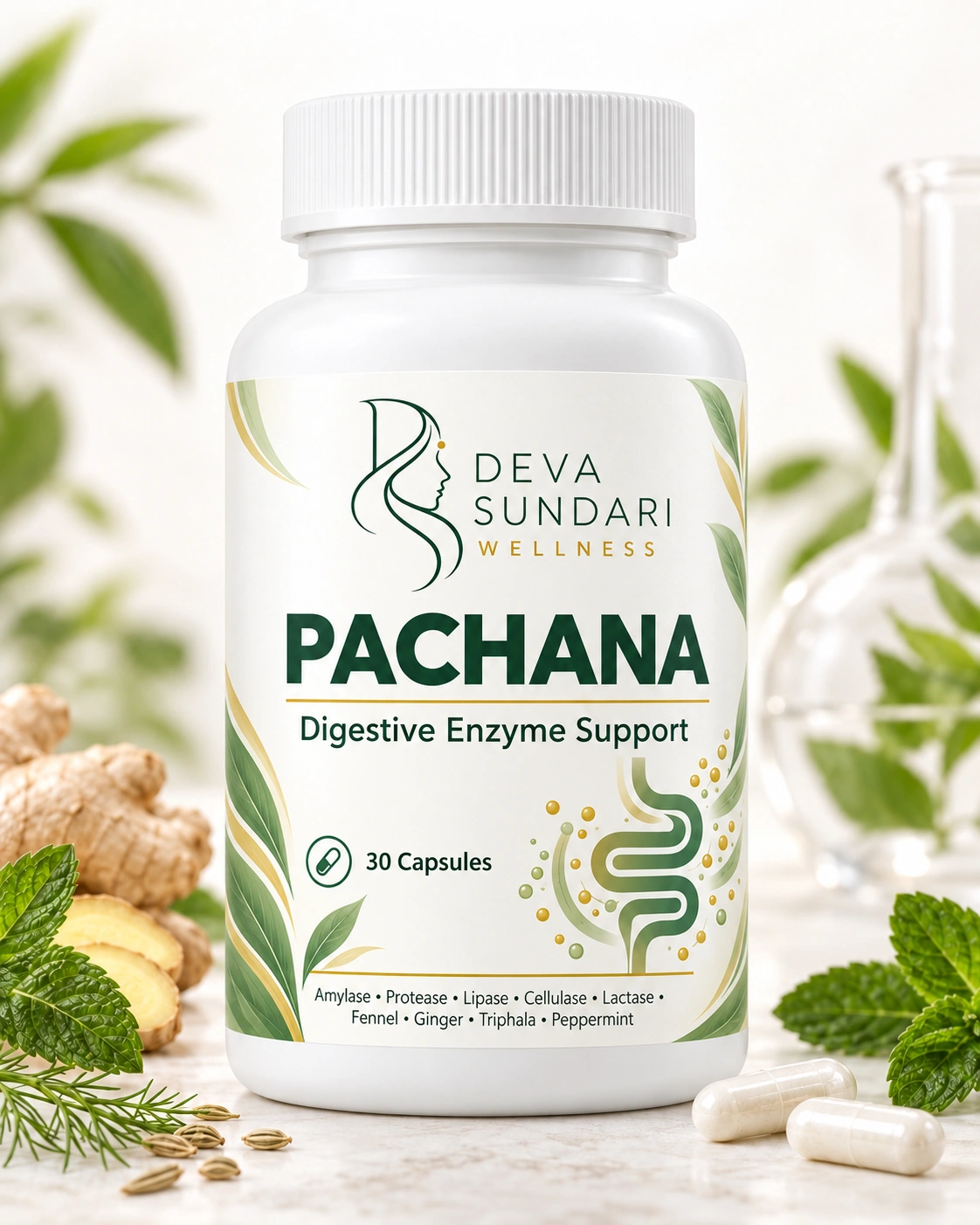
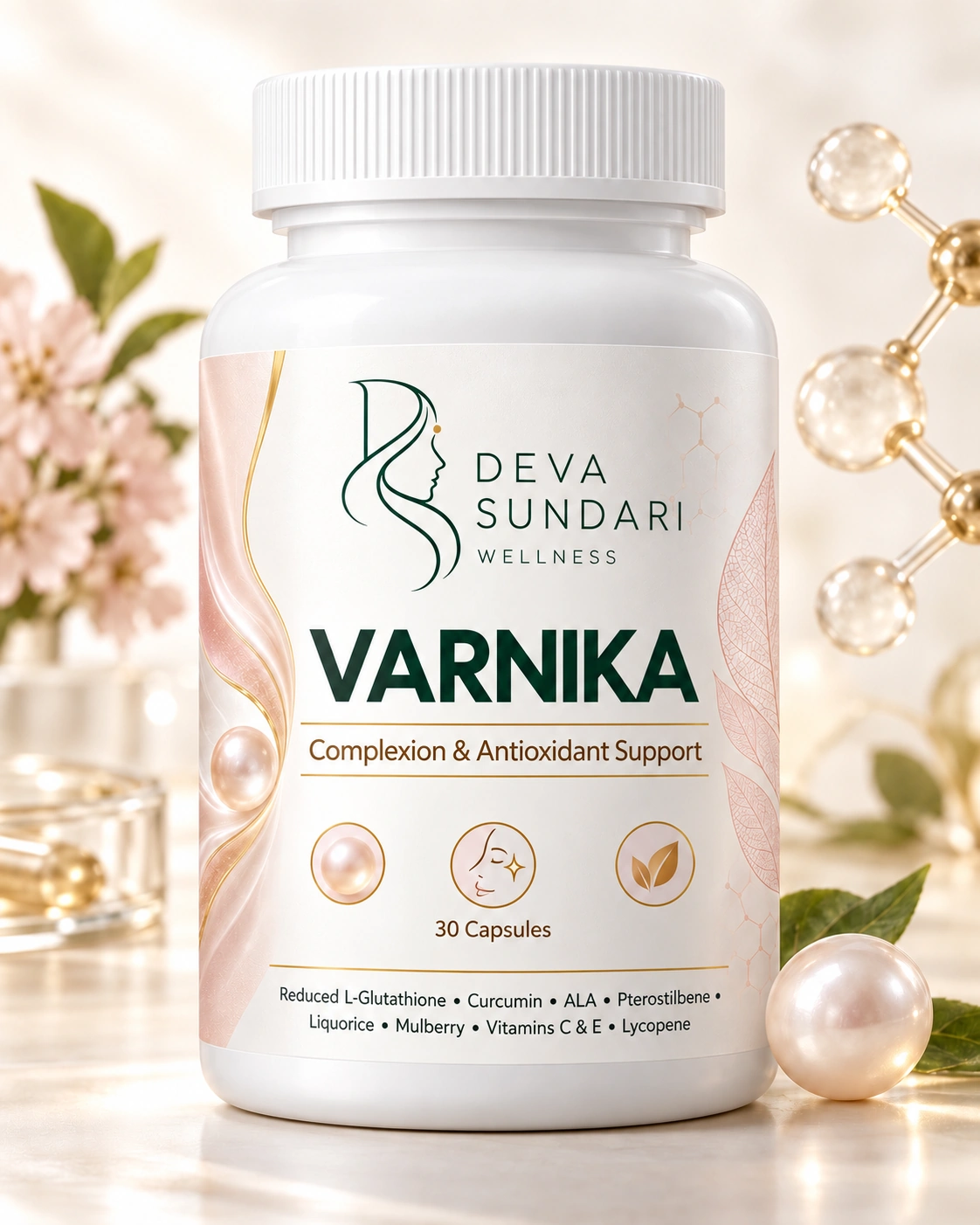
SKIN CARE, INSIDE & OUT
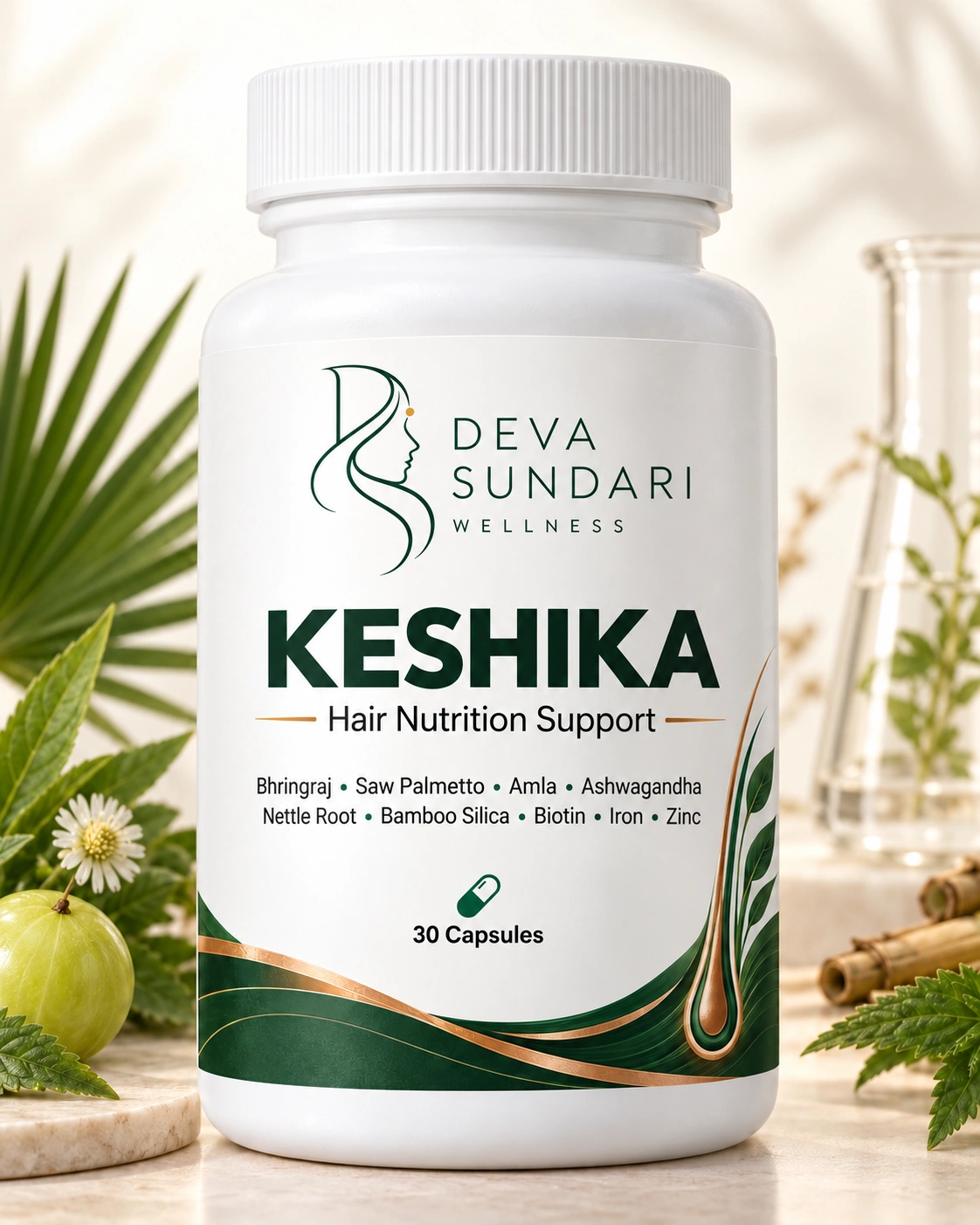
HAIR CARE, INSIDE & OUT
THE INDIAN ART OF CARE
Ayurveda is one of India's enduring intellectual traditions: a philosophy of attentive living, botanical knowledge, and care shaped around the individual.
Its beauty rituals celebrate the relationship between plants, preparation, and daily practice. At Deva Sundari, this heritage inspires our approach to skin, hair, and body care. Contemporary science brings a complementary discipline: ingredient characterisation, formulation compatibility, stability, and a clear-eyed assessment of evidence.
Our ambition is to bring the elegance of Indian botanical traditions into beauty care that feels relevant to modern life.
Read about the Ayurvedic traditionOUR VISION
To establish Deva Sundari as an expression of contemporary Indian beauty—where botanical heritage, scientific curiosity, and exceptional sensorial care belong together.
OUR MISSION
To translate botanical knowledge into thoughtful beauty rituals through responsible ingredient selection, appropriate technology, disciplined formulation, and transparent communication.
We aspire to make efficacy, comfort, and integrity equally central to the experience of care.
THE DEVA SUNDARI COLLECTION
Discover botanical care for your skin, hair and body.
OUR SCIENCE & TECHNOLOGIES
Explore our approach to botanical extraction, ingredient delivery, hydration, microbiome care and peptides.
THE BOTANICAL WORLD
India's botanical landscapes offer a remarkable vocabulary for beauty: leaves, roots, flowers, seeds, and resins, each with its own chemistry and cultural history.
Wild herbs inspire our exploration, but rarity alone is no measure of quality. Our sourcing philosophy prioritises botanical identity, traceability, appropriate harvesting, and careful assessment of contaminants. Cultivated or cell-cultured alternatives deserve equal consideration where they better protect biodiversity.
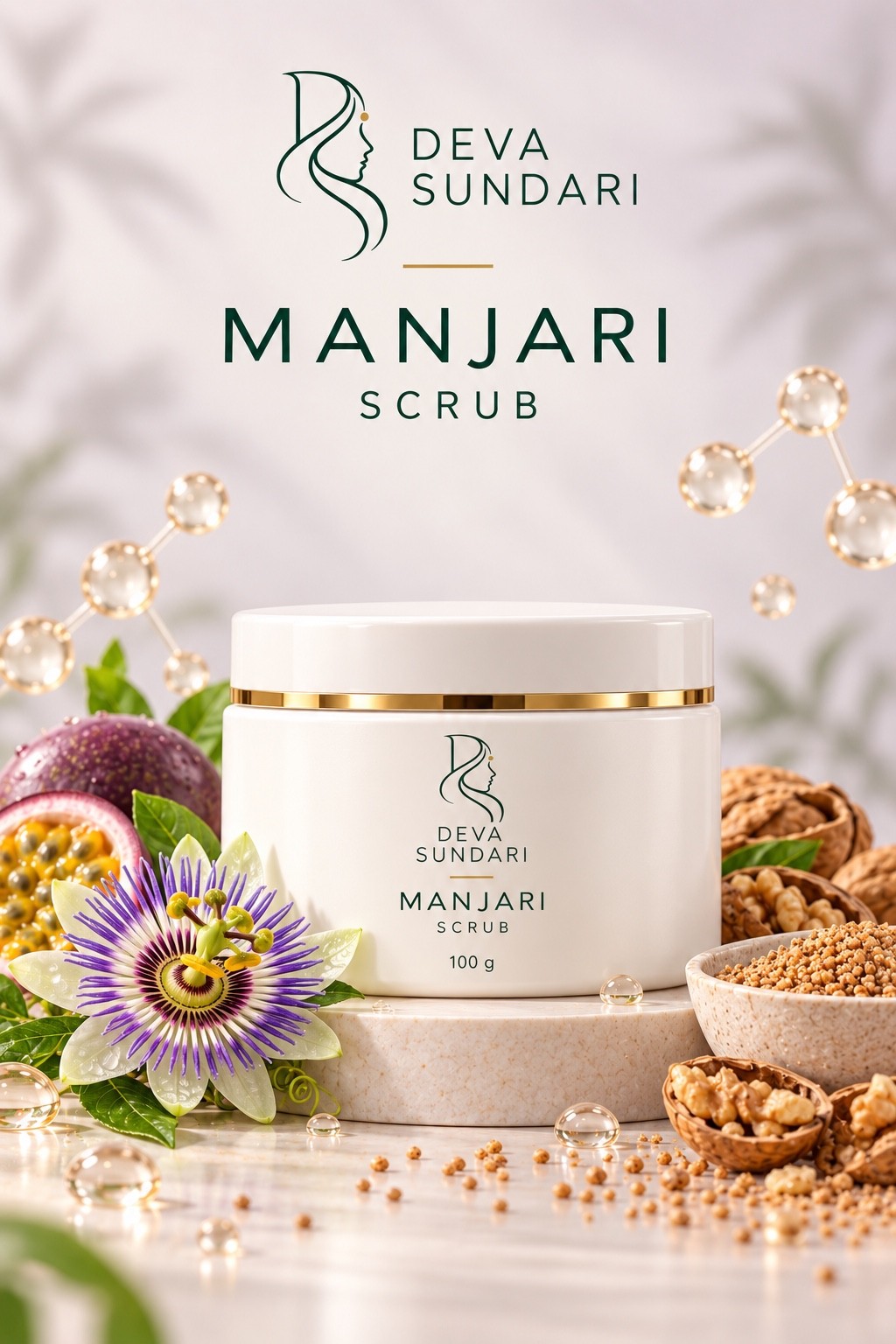
Thoughtful botanical selection brings together traditional plant knowledge, traceable sourcing and respect for biodiversity.
EVIDENCE BEFORE PROMISES
Human studies provide a valuable foundation for ingredient selection. They also have boundaries: a studied ingredient does not make every product containing it clinically proven.
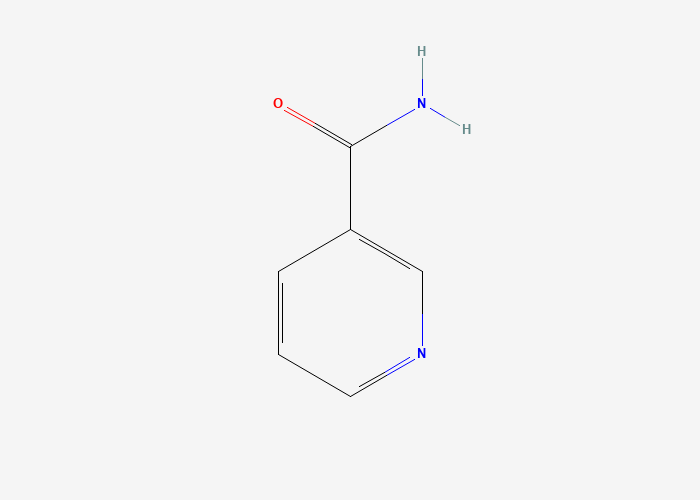
Human research on topical niacinamide has reported improvements in uneven-looking tone, fine lines, and other visible signs of ageing in the formulations studied.
View the clinical study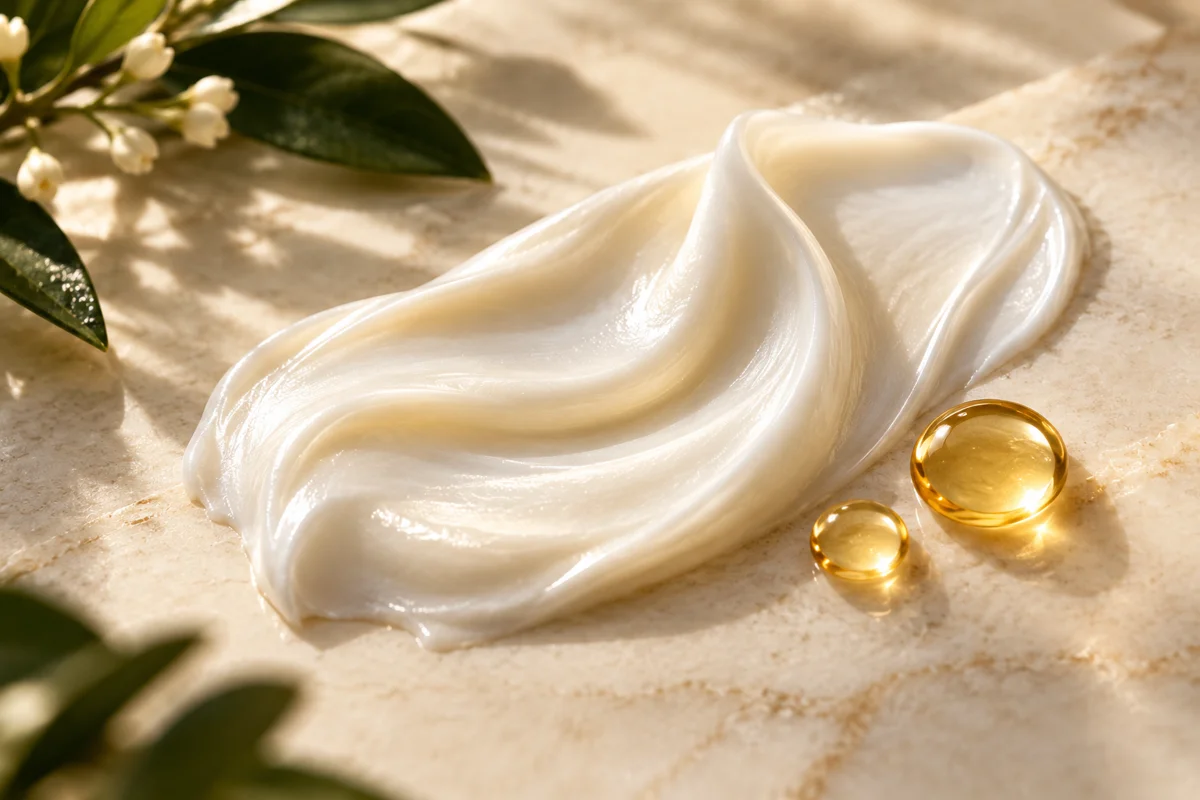
Clinical studies of selected ceramide-containing moisturisers have reported improvements in skin hydration and barrier function. The complete lipid system and formulation matter.
View the clinical study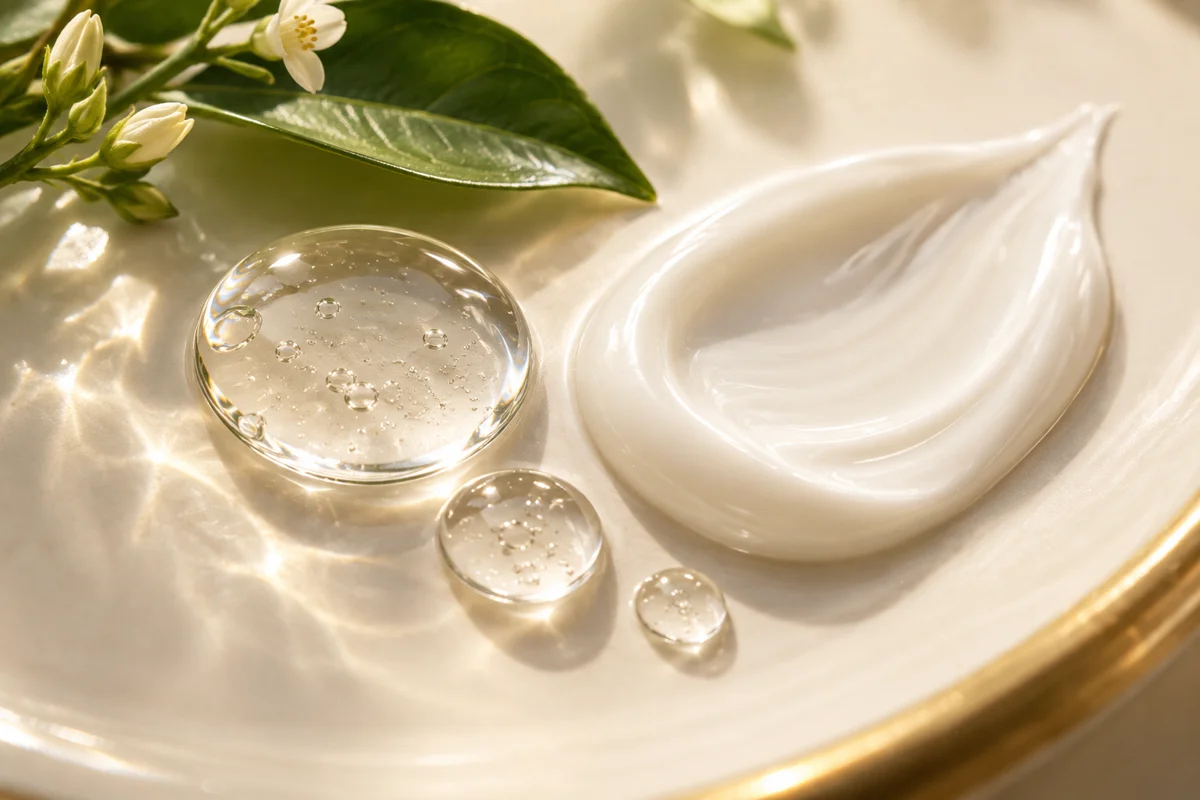
Topical hyaluronic acid has been evaluated in human studies for hydration and skin quality. Molecular weight, concentration, and the formulation influence performance.
View the clinical studyThese are examples of ingredients with published clinical research, not a confirmed ingredient list for the current collection. Consult each final product's ingredient declaration. Deva Sundari finished-product clinical results will be described only when corresponding studies are available.
MAKE ROOM FOR YOURSELF
Explore a collection to begin.
THE OFFICIAL DEVA SUNDARI PAGE
Follow @devasundari.official for product stories, skin and hair care rituals, and updates from Deva Sundari.
LET'S BEGIN A CONVERSATION
Want to buy a product or stock Deva Sundari? Send your request with your contact details and preferred products.
Personal consultation on WhatsApp
Order requests are enquiries. Availability, delivery and payment are confirmed before an order is accepted.